Supplies & Resources

Hot Sauce Making Supplies & Gear I Actually Use

I'm just an at-home sauce maker who likes experimenting and seeing what happens. These are the hot sauce making tools and supplies I keep around because they've made the process easier, more consistent, or a little less messy. Nothing here is required just because I use it, but if it's on this page, it's something I've found genuinely useful.

You don't need all of this to get started. A jar, a scale, a decent blender, and a few basic kitchen tools will get you surprisingly far. Start with what you have and add equipment when it solves an actual problem.

A note on links:These links point to the products or examples I recommend. Some may become affiliate links later, and if that happens I’ll disclose it here.
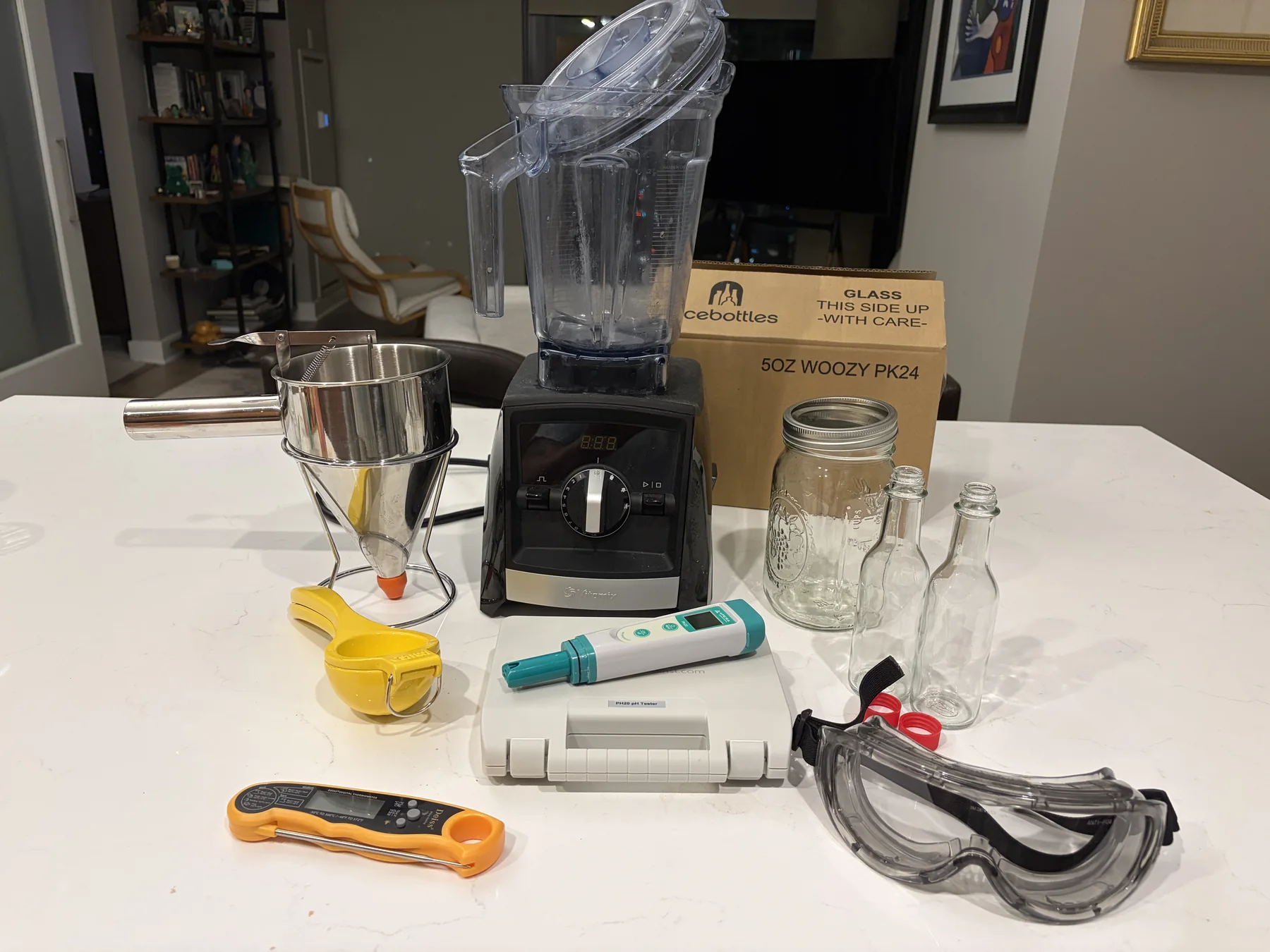
Hot sauce making equipment and supplies used by Oliver Makes Sauce

The Obvious Stuff

Use the kitchen tools you already have.

A decent knife, cutting board, measuring containers, saucepan, and other basic kitchen tools all come in handy. You don't need special hot-sauce versions of any of them.

Fermentation Supplies

Fermentation Supplies

The tools I use to keep salt measurements consistent, ferments contained, and the process easy to repeat.

Great starter setup
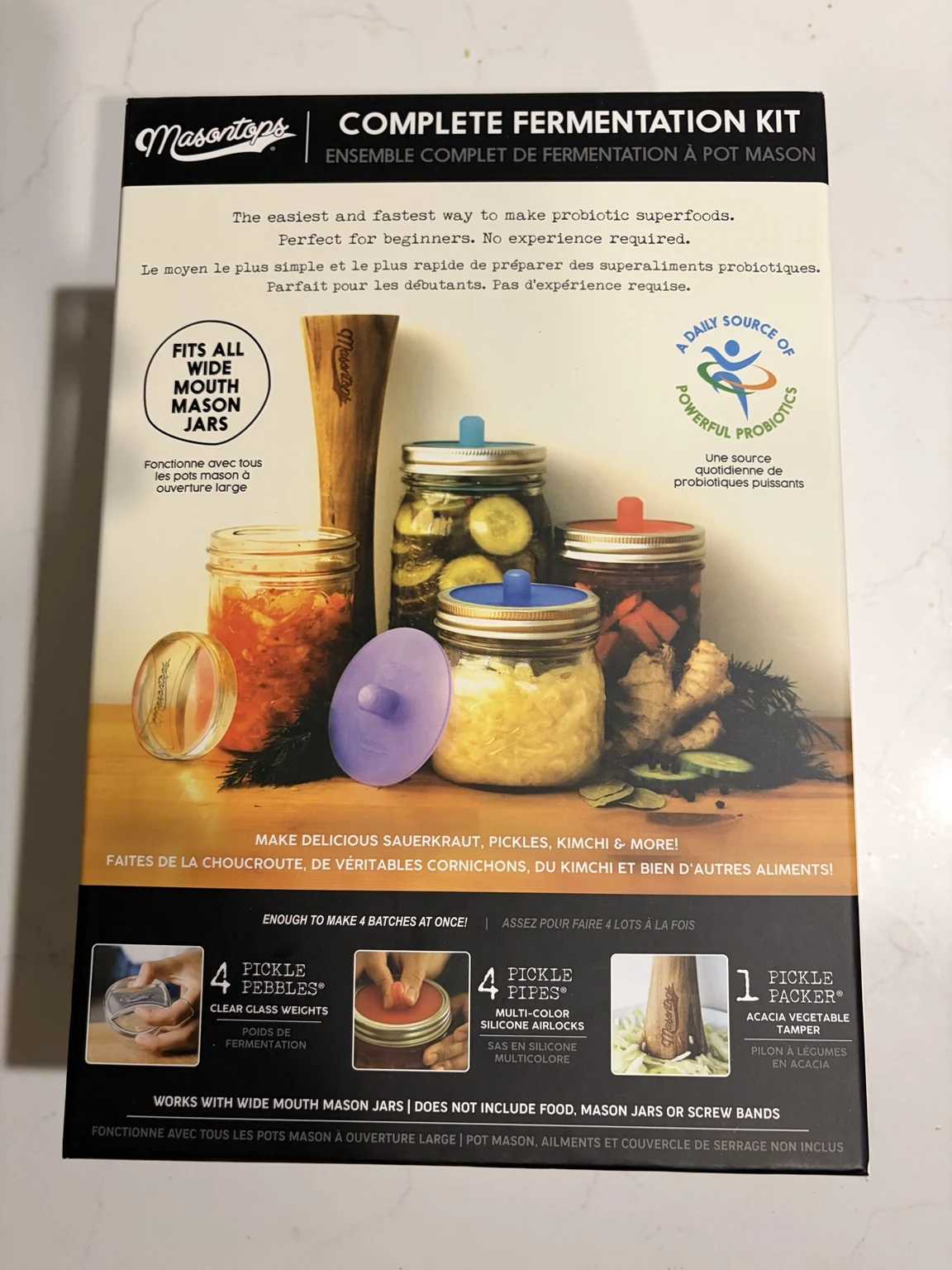
Masontops Complete Fermentation Kit box used by Oliver Makes Sauce

Masontops Fermentation Starter Kit

If you're just getting into jar fermentation, this is a really convenient place to start. It includes the airlocks, glass weights, and tamper I like using, so it covers most of the fermentation-specific gear without making you piece everything together one item at a time. You'll still need Mason jars and screw bands, but this takes care of most of the fermentation-specific setup.

See the starter kit →
Wide-Mouth Quart Mason Jars

For jar ferments, I usually use quart-size wide-mouth Mason jars. Nothing fancy here. They're easy to find, easy to clean, and they work well with the Masontops setup above.

Essential

Digital Kitchen Scale

I calculate my fermentation salt by weight, so a decent digital scale is one of the few pieces of equipment I consider essential. Guessing at salt with tablespoons or cups makes it much harder to reproduce a batch accurately. You don't need anything fancy; a basic scale that measures in grams is fine.

See a kitchen scale →

Pickling / Canning Salt

I normally use a non-iodized salt without extra additives for fermentation. Pickling or canning salt is an easy choice because it's pure salt and dissolves cleanly. Iodized salt isn't automatically unsafe for fermentation, but non-iodized salt is commonly preferred because iodine and anti-caking additives can affect the appearance or quality of a ferment.

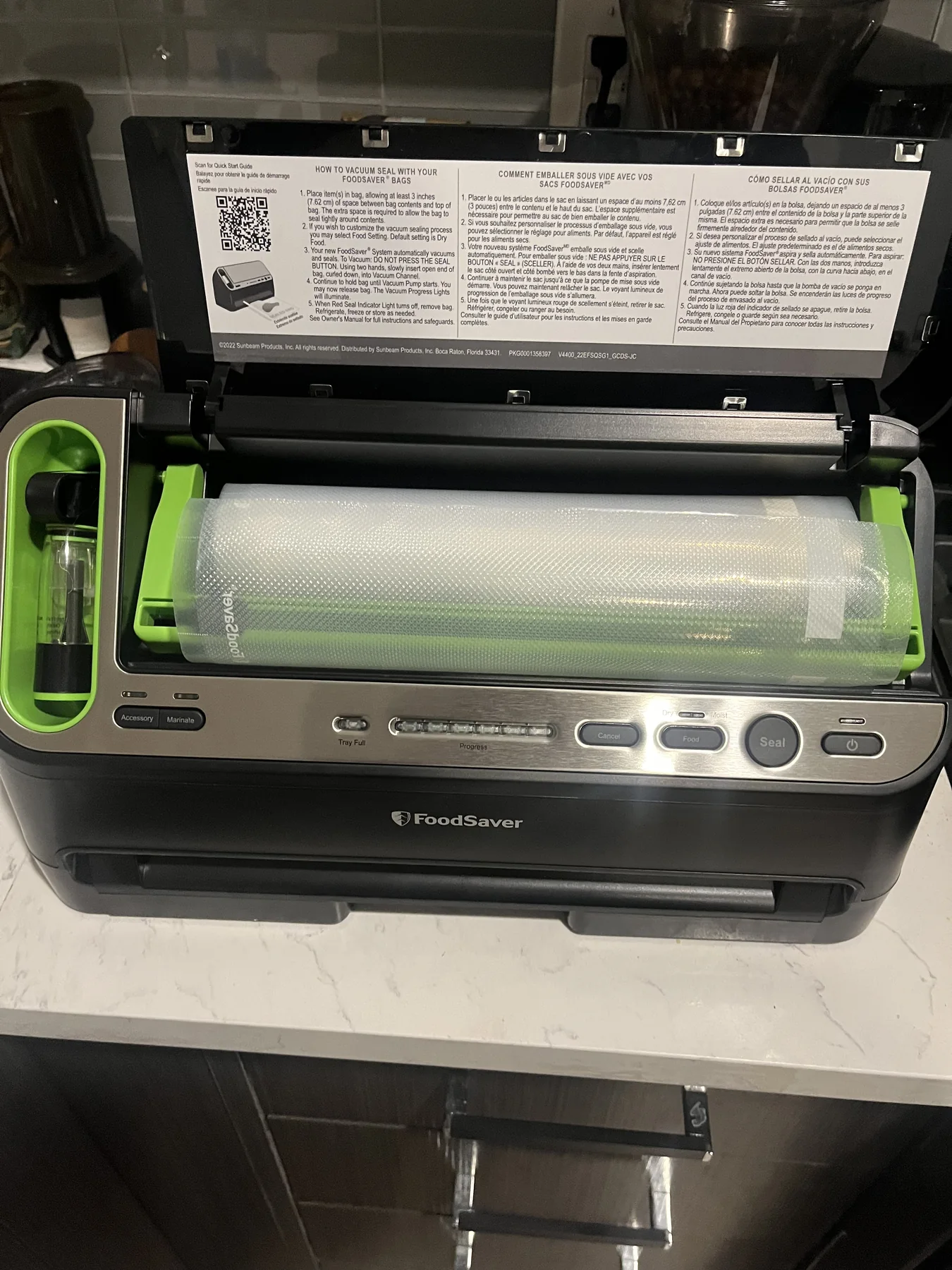
Vacuum sealer used for bag fermentation and hot sauce prep

FoodSaver V4400 Vacuum Sealer

I also do a lot of ferments in ordinary food-safe vacuum bags. The bags themselves aren't anything special; the useful piece of equipment is the vacuum sealer. It makes bag ferments easy to portion, seal, monitor, and keep contained. Standard food-safe vacuum sealer bags work fine for the way I use them.

See the FoodSaver V4400 →

Testing & Safety

Testing & Safety

A couple of basic measuring tools help me keep an eye on acidity and temperature instead of guessing.

Core tool
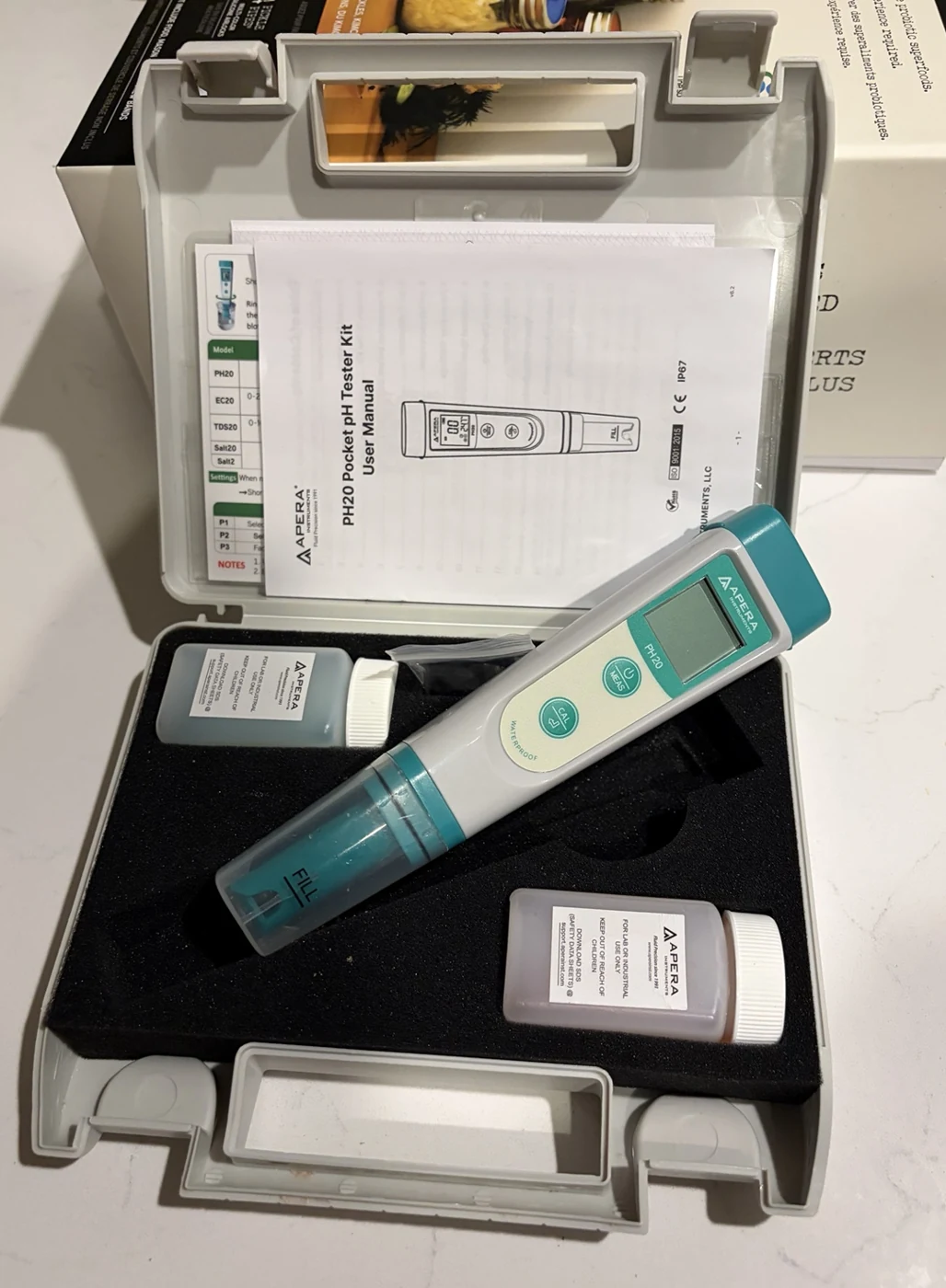
Apera PH20 digital pH meter kit used to check finished hot sauces

Digital pH Meter

A calibrated pH meter is one of the most useful tools in my setup. You don't need to spend a fortune on one; a reasonably priced digital meter is fine for home use as long as you calibrate it and take care of it.

See the pH meter I use →
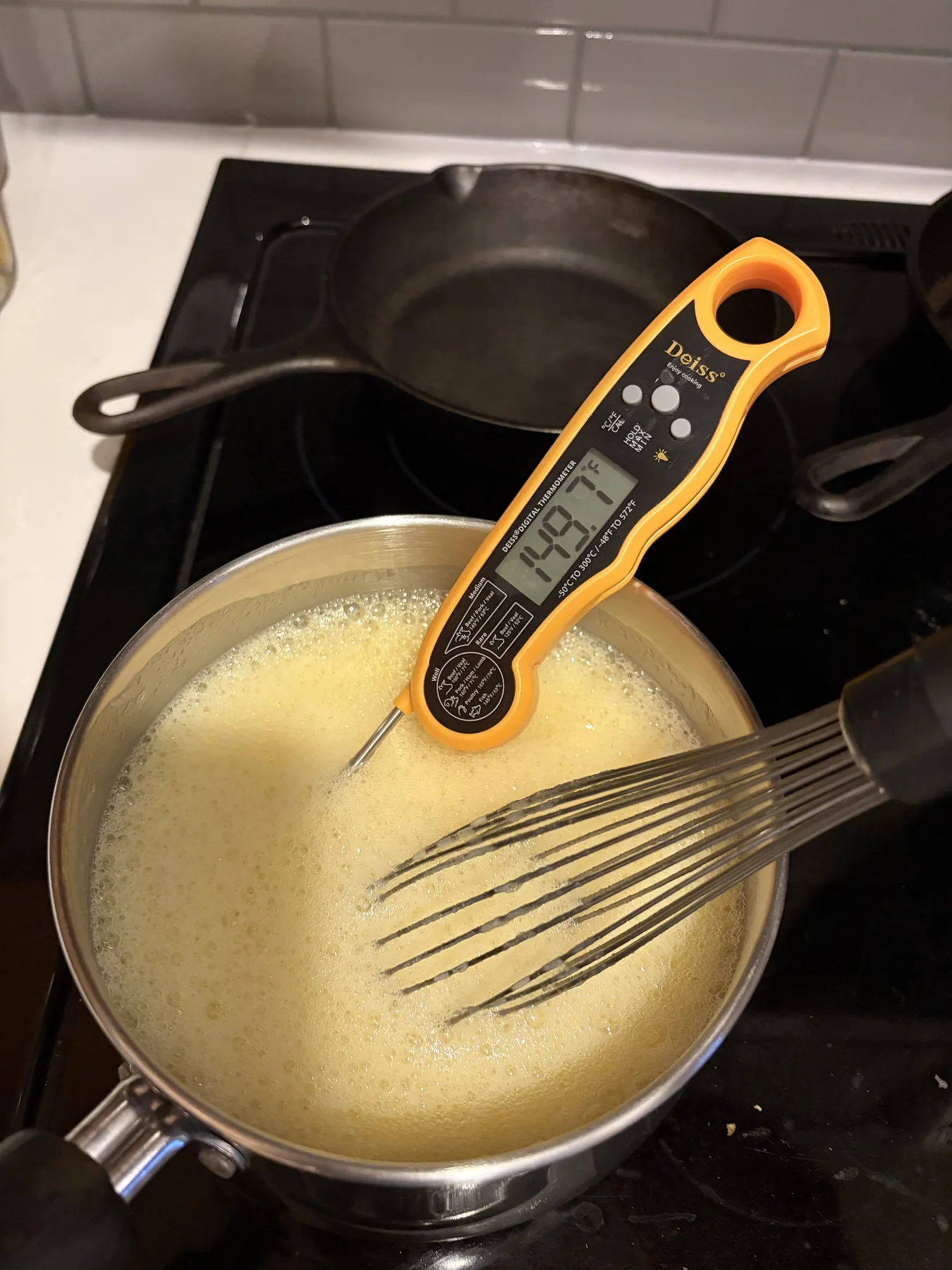
Digital thermometer used while making hot sauce

Digital Thermometer

I use a digital thermometer to monitor sauce temperature during the heating step. Nothing fancy is needed, just something reliable and easy to read.

Blending & Cooking

Blending & Cooking

The part where a pile of peppers and other ingredients finally starts looking like sauce.

Biggest upgrade
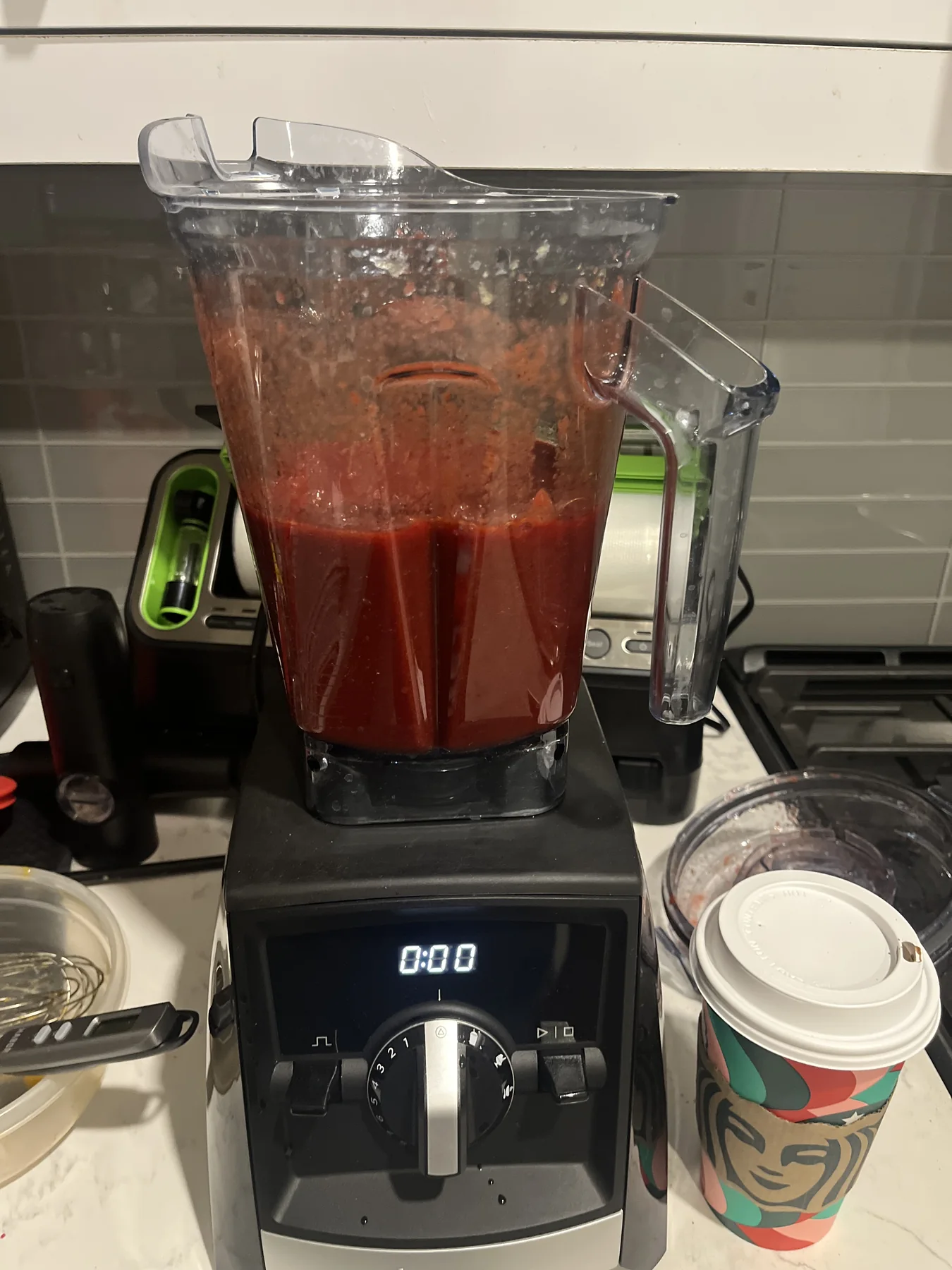
Vitamix A2500 blender used for blending homemade hot sauce

Vitamix A2500

This is what I use, and it's probably the piece of equipment I'd replace first if mine disappeared. It's expensive, but for getting pepper mash, fruit, seeds, and everything else into a smooth sauce, it has been worth every penny to me.

Silicone Spatula

A flexible silicone spatula is perfect for scraping down the blender and getting as much sauce as possible out of the container before washing half of it down the sink.

Whisk

I use a whisk while heating sauce to keep everything moving and evenly mixed, especially after blending.

Bottling

Bottling

The tools that help me get finished sauce into bottles without turning the kitchen into a crime scene.

Book staple
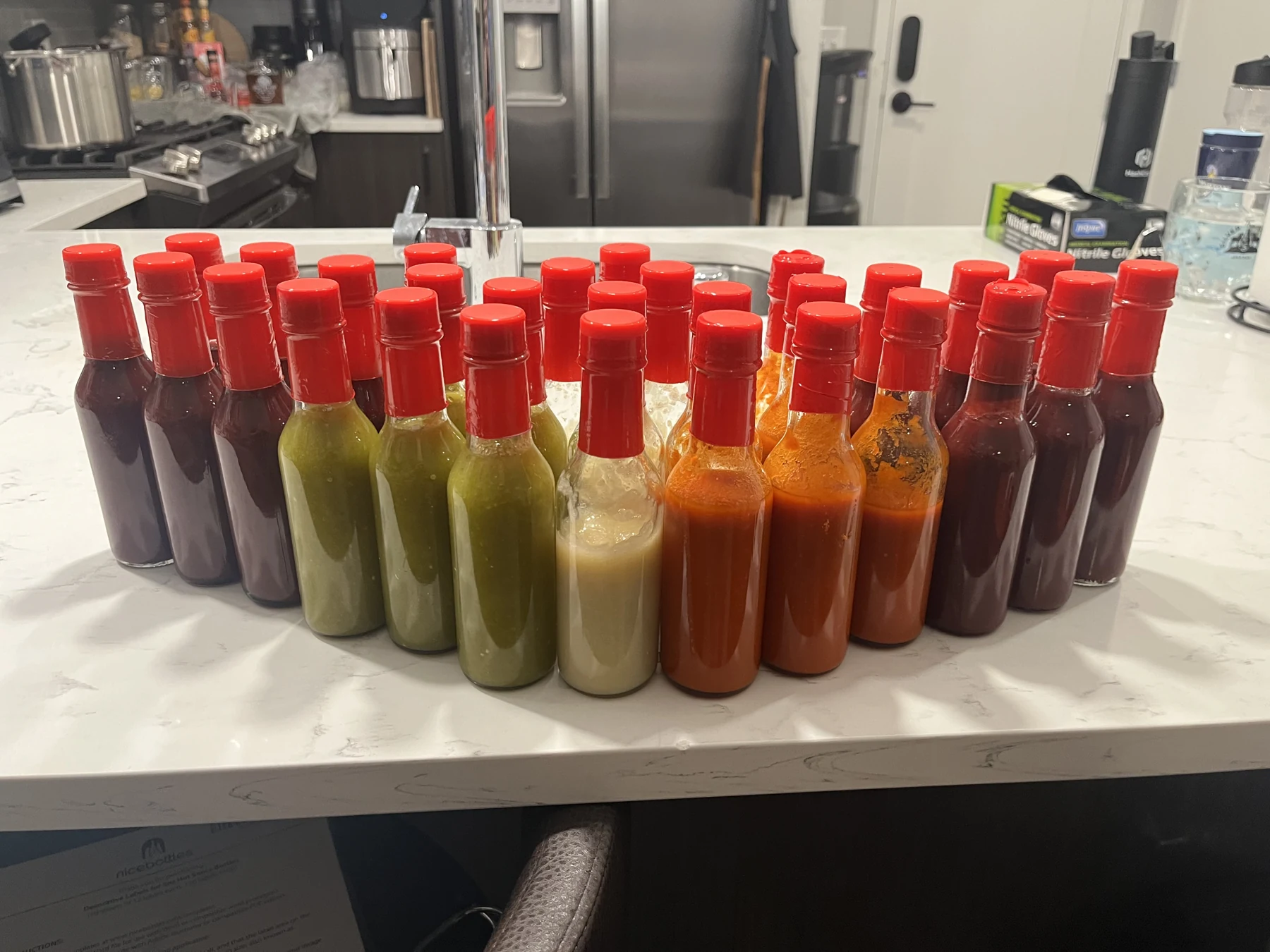
5.5 ounce woozy bottles used for finished homemade hot sauce

5.5 oz Woozy Bottles

The classic hot sauce bottle. I use 5.5 oz woozy bottles for a lot of my finished sauces and gifts, and the ones I buy come with the caps I need.

See the bottles I use →
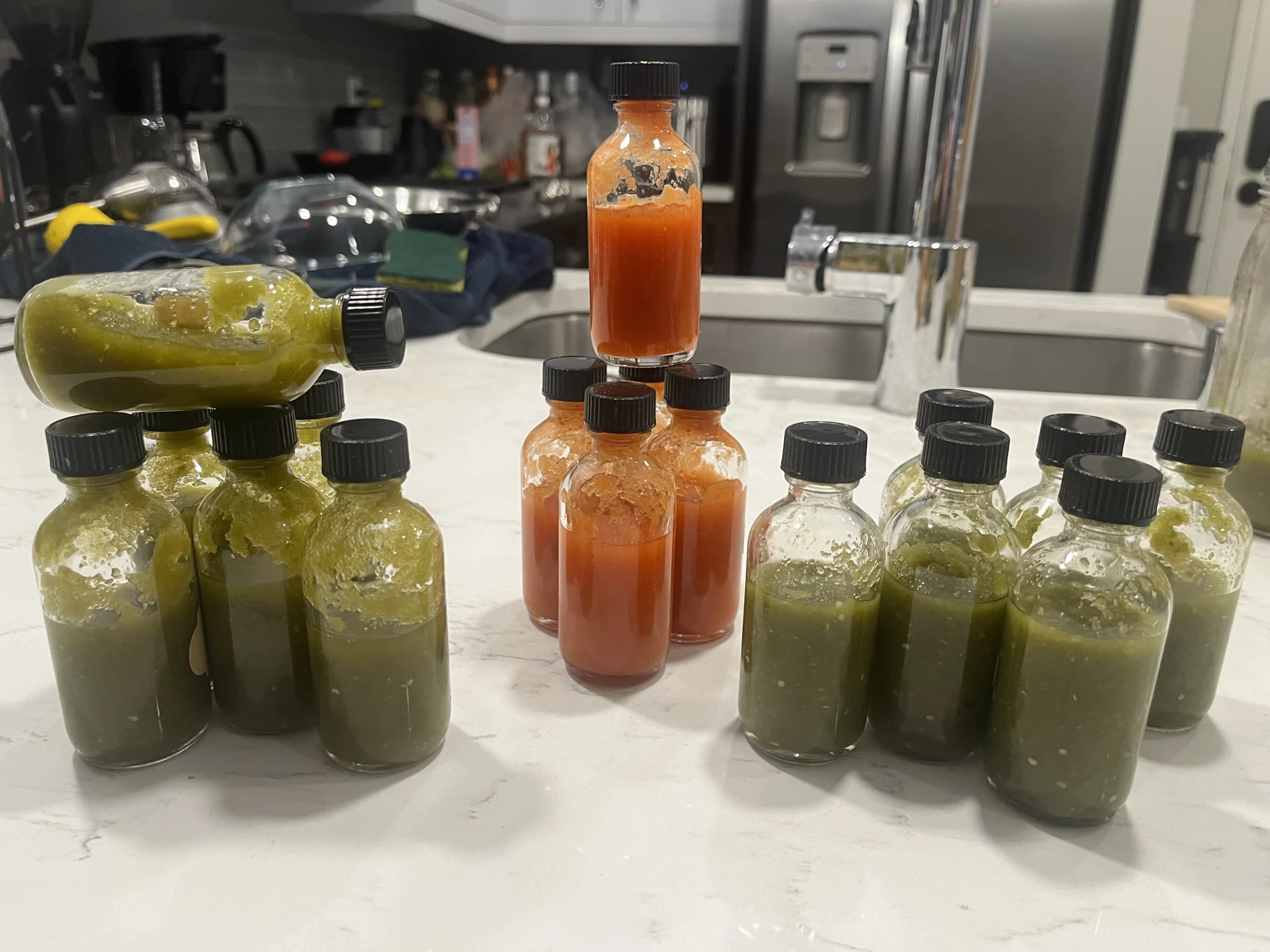
Small 2 ounce potion-style bottles filled with homemade hot sauce

2 oz Potion Bottles

I use these smaller bottles when I want to share a sauce without committing someone to a full bottle. I call them potion bottles because, well, look at them.

See the potion bottles →
Best cheap upgrade
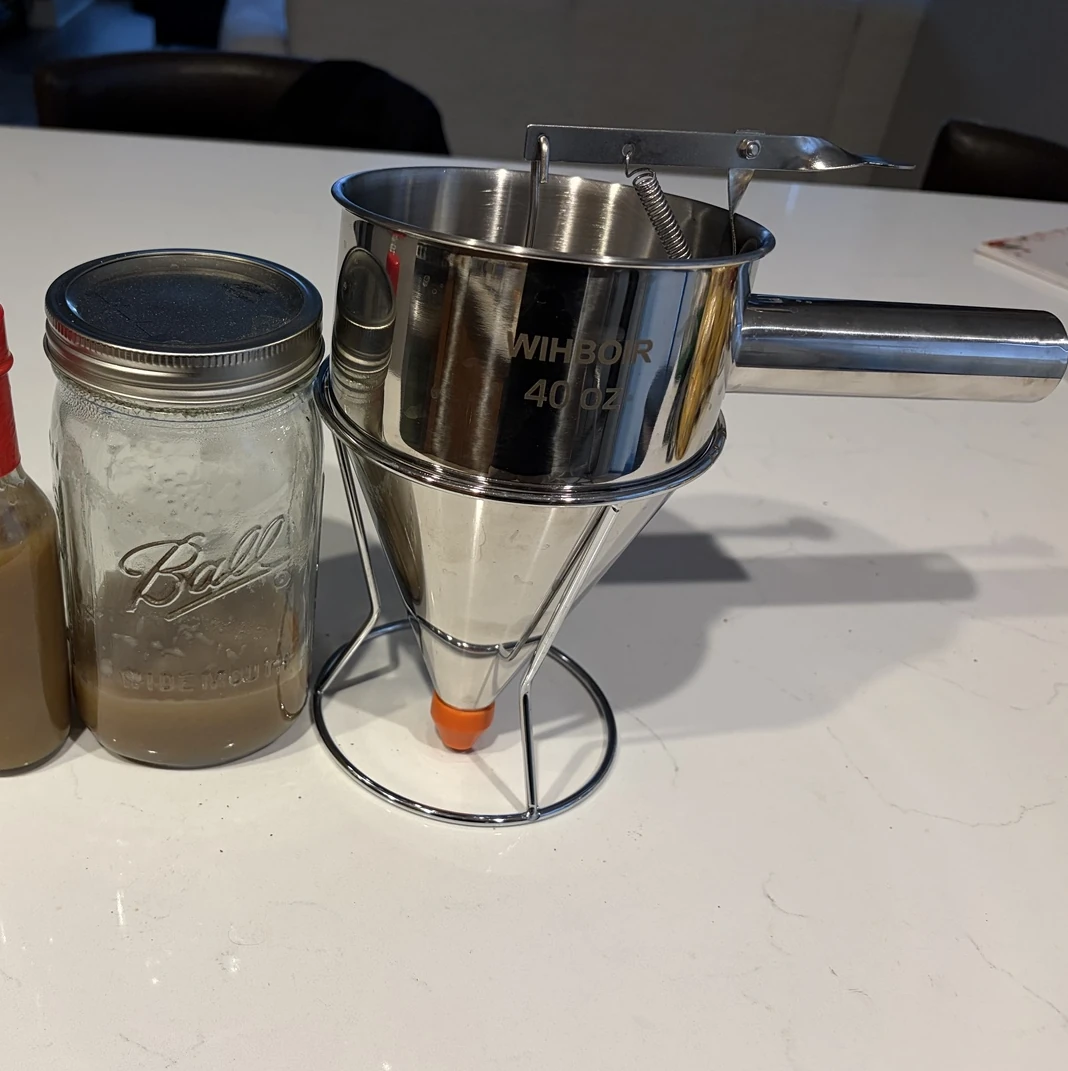
Pancake batter dispenser used to fill homemade hot sauce bottles

Pancake Batter Dispenser

This may be the best money I've spent on bottling equipment. I pour the finished sauce into a pancake batter dispenser and use it to fill the bottles. It makes transferring sauce from the pan dramatically cleaner and easier than trying to pour directly or funnel everything by hand.

See the dispenser I use →
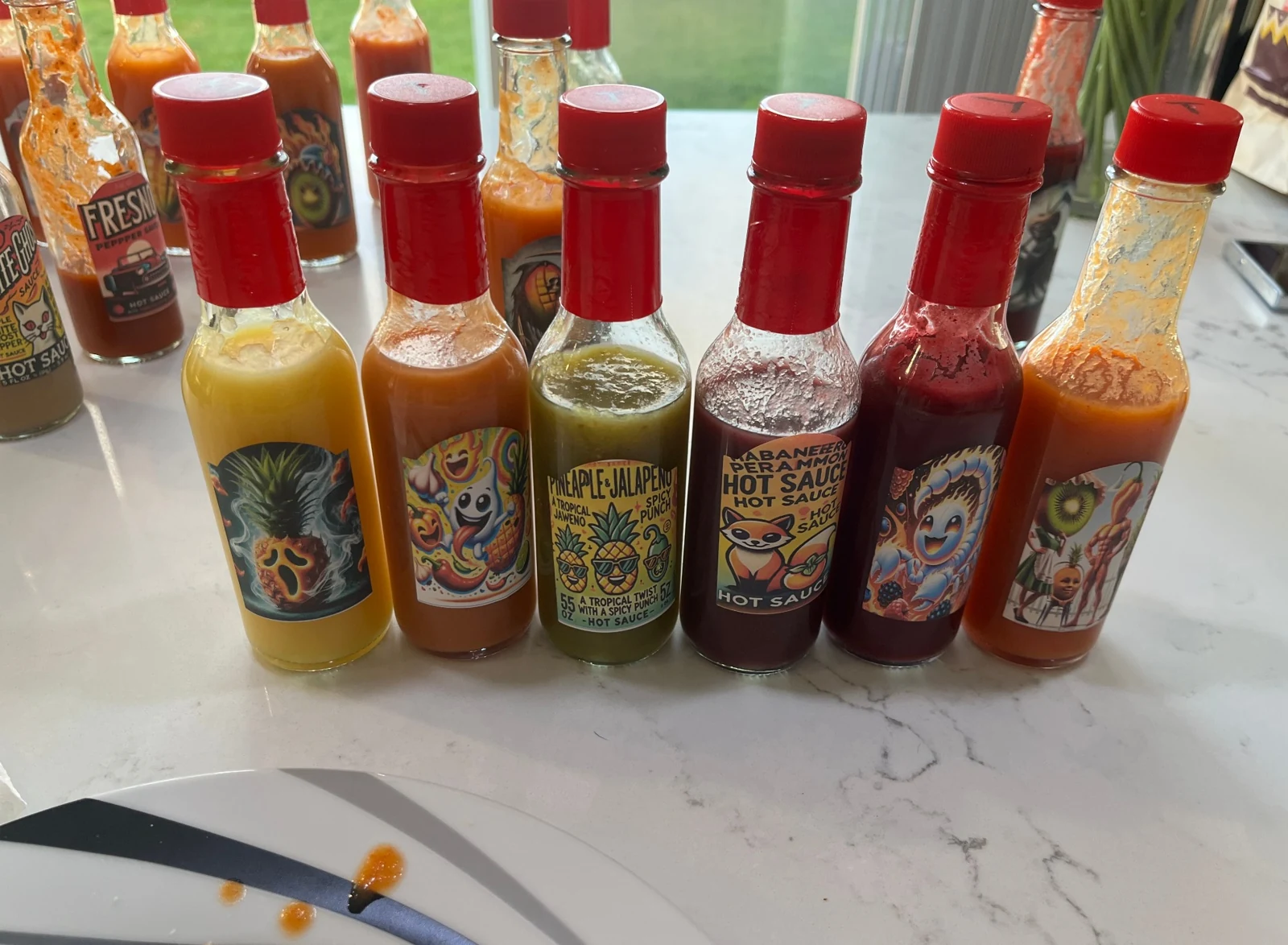
Homemade hot sauce bottles with a lineup of fun custom labels

Labels

Labels make it much easier to remember what's actually in each bottle, especially when there are a bunch of experiments happening at once. They also make gifts a lot more fun.

See the labels →

Optional Extras

Optional Extras

Things I keep around because they can be useful, but you absolutely don't need them to start making hot sauce.

Optional

Xanthan Gum

Xanthan gum is completely optional, but a tiny amount can help thicken a sauce or keep it from separating as quickly. A little goes a very long way, so I use it sparingly when a sauce actually needs it rather than adding it automatically.

See the xanthan gum →

Books & Learning

Books & Learning

A few resources I actually use when I want to understand the process more deeply instead of just following a recipe.

Recommended reading
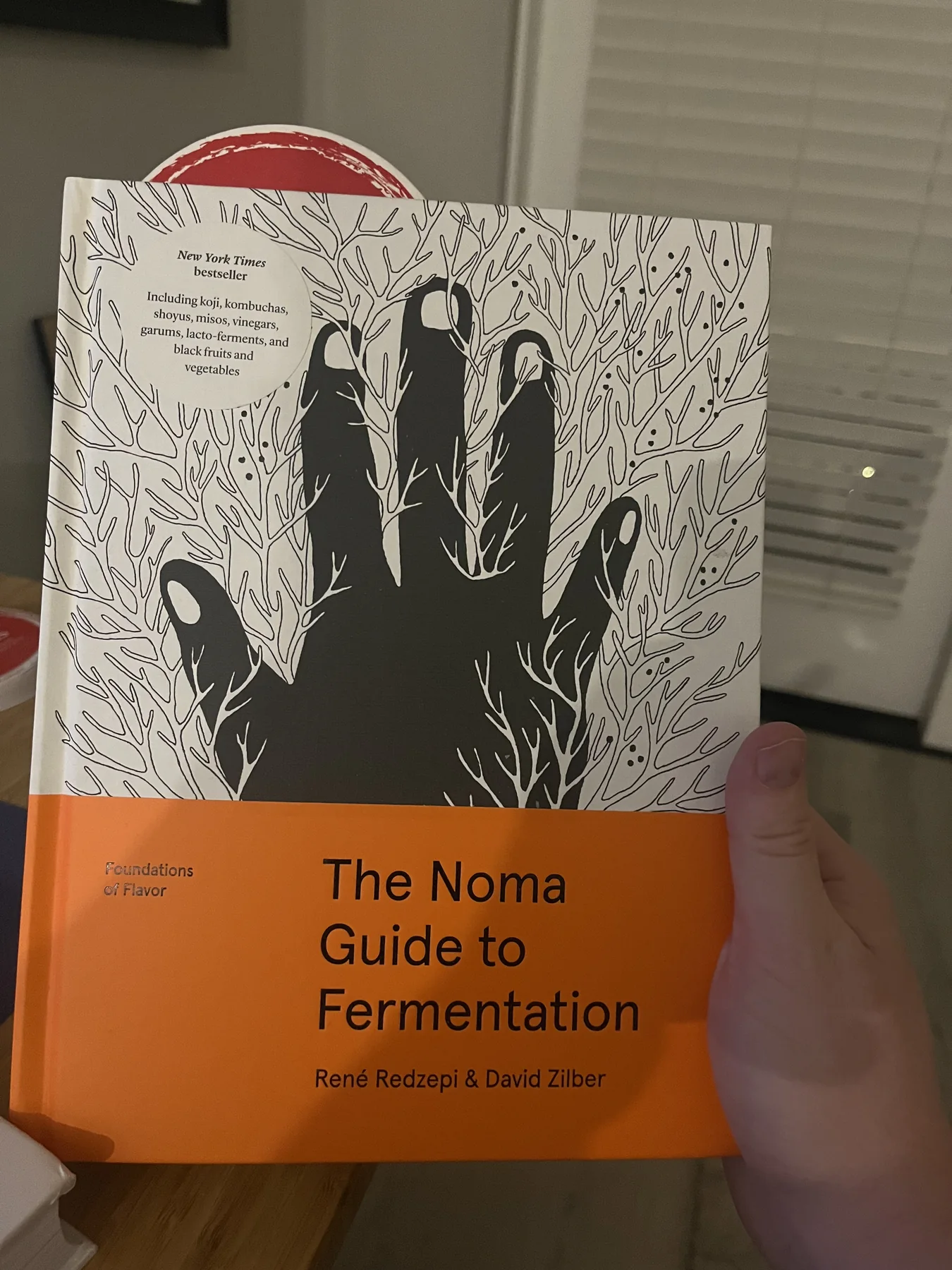
The Noma Guide to Fermentation book used by Oliver Makes Sauce

The Noma Guide to Fermentation

This is one of the books I learned from and still recommend if you want to understand fermentation beyond simply following a hot sauce recipe. It goes much deeper than I plan to on this site, and it's one of the first resources I'd point someone toward if they want to understand what's actually happening in the jar.

See The Noma Guide to Fermentation →

Have a Tool I Should Try?

Send me a suggestion.

I'm always experimenting, and that includes the gear. If there's something that has made your sauce-making process easier, cleaner, or more fun, send it my way.

Send Me a Suggestion →